CAT SEPARATION ANXIETY: SIGNS, CAUSES, AND EVIDENCE-BASED TREATMENT
What Is Cat Separation Anxiety?
Cat separation anxiety is a behavioral condition in which a cat experiences distress when separated from its primary caregiver. It is characterized by stress-related behaviors that occur primarily during periods of owner absence.
Although once considered rare in cats, modern behavioral research confirms that cats can form secure and insecure attachment bonds, similar to dogs and human infants.
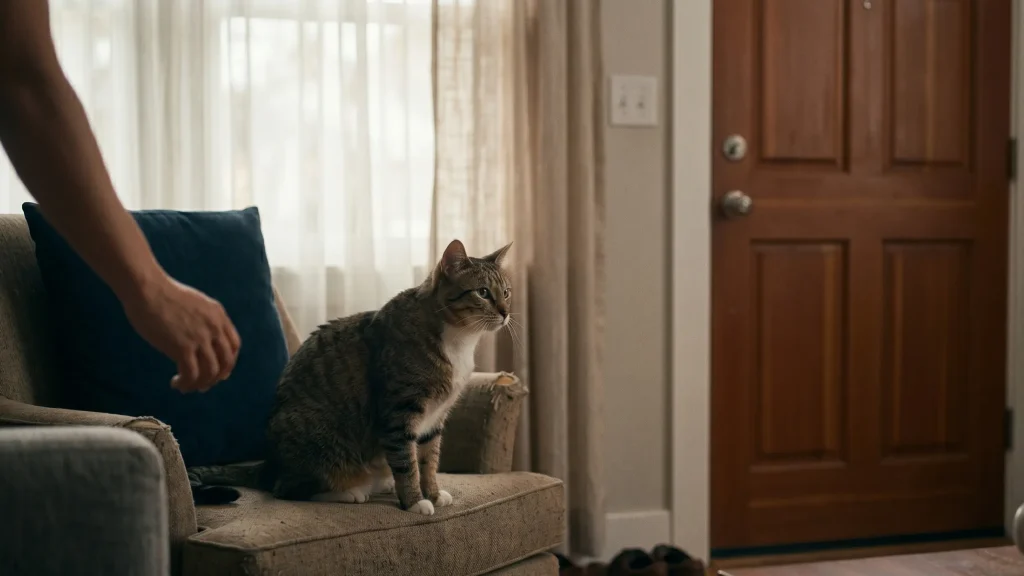
Evidence for Feline Separation Anxiety
Scientific studies in feline behavior and attachment theory suggest:
- Cats form measurable attachment styles to humans
- Approximately up to 35% of cats show insecure attachment patterns
- Insecurely attached cats are more likely to exhibit distress behaviors when alone
- Symptoms are consistent with anxiety-based responses rather than “misbehavior”
👉 This reframes the condition as a welfare and mental health issue, not a training problem.
Signs of Separation Anxiety in Cats
The signs of separation anxiety in cats typically appear shortly before or after the owner leaves.
Behavioral symptoms include:
- Excessive vocalization (meowing, yowling)
- Following the owner closely before departure
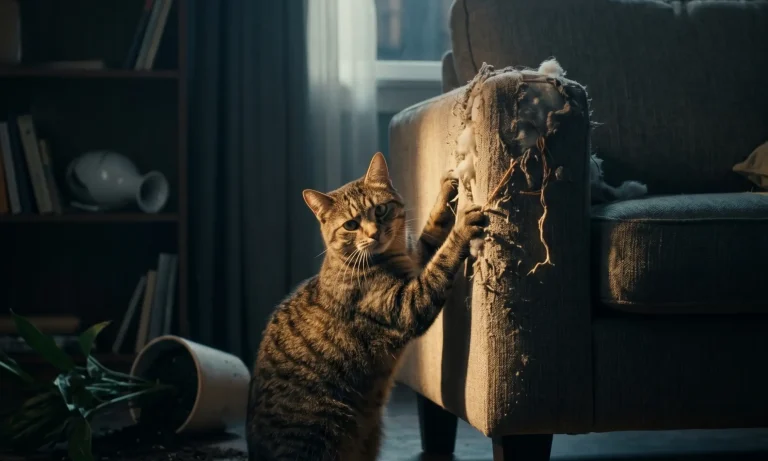
- Destructive scratching at doors, windows, or furniture
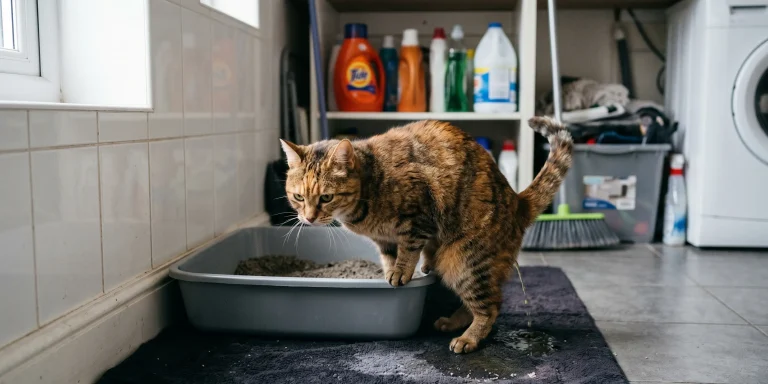
- Urination or defecation outside the litter box
- Over-grooming or compulsive licking
- Loss of appetite when alone
- Intense greeting behavior upon return
Key pattern:
Symptoms usually only occur in the absence of the caregiver, which helps distinguish it from general medical or environmental issues.
Causes and Risk Factors
Cat anxiety when left alone is usually multifactorial.
Primary risk factors:
- Indoor-only lifestyle with limited stimulation
- Early separation from mother (early weaning)
- Strong single-person bonding (“single attachment bias”)
- History of abandonment or rehoming
- Sudden environmental changes (move, new pet, schedule change)
- Naturally anxious temperament
Environmental contributors:
- Lack of enrichment
- Predictable long hours alone
- Low social interaction or playtime
How to Treat Cat Separation Anxiety (Evidence-Based Protocol)
Treatment is most effective when combining behavioral + environmental + medical strategies.
1. Behavioral Modification (Core Treatment)
Goal: reduce dependency and recondition emotional response to absence.
- Gradual desensitization to departure cues (keys, shoes, routines)
- Short, repeated absences with gradual increase in duration
- Neutral departure and return (avoid emotional reinforcement)
- Reward calm behavior before leaving, not clingy behavior
2. Environmental Enrichment
Goal: increase cognitive stimulation during alone time.
- Puzzle feeders and food-dispensing toys
- Vertical territory (cat trees, shelves)
- Window perches for visual stimulation
- Rotating toy system (prevents boredom habituation)
- Background sound (TV or soft audio for comfort)
3. Pheromone Therapy
- Synthetic feline facial pheromones may reduce baseline stress
- Often used as a supportive adjunct, not a standalone cure
4. Veterinary Pharmacological Support
In moderate to severe cases:
- Anti-anxiety medications may be prescribed by a veterinarian
- Used when behavioral intervention alone is insufficient
- Always combined with behavior modification plan
Practical Daily Management Strategy
A structured routine significantly reduces anxiety symptoms:
- Maintain predictable feeding and play schedules
- Provide interactive play before leaving home
- Avoid dramatic exits or greetings
- Ensure physical and mental fatigue before absence periods
When to See a Veterinarian
Seek professional evaluation if:
- Symptoms persist longer than 2–3 weeks
- Self-injury (over-grooming, skin damage) occurs
- Litter box avoidance becomes chronic
- Appetite is significantly reduced during absences
Conclusion
Cat separation anxiety is a clinically relevant behavioral disorder that is frequently underdiagnosed. Early recognition of symptoms combined with structured behavioral intervention can significantly improve feline welfare and reduce stress-related behaviors.
A multimodal approach—behavioral training, environmental enrichment, and veterinary support—remains the most effective long-term solution.